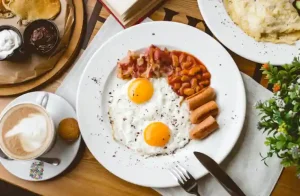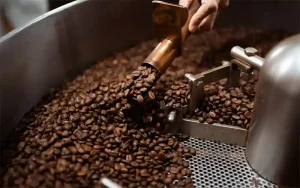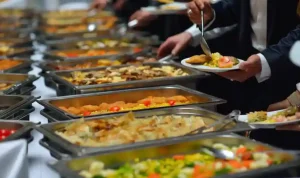

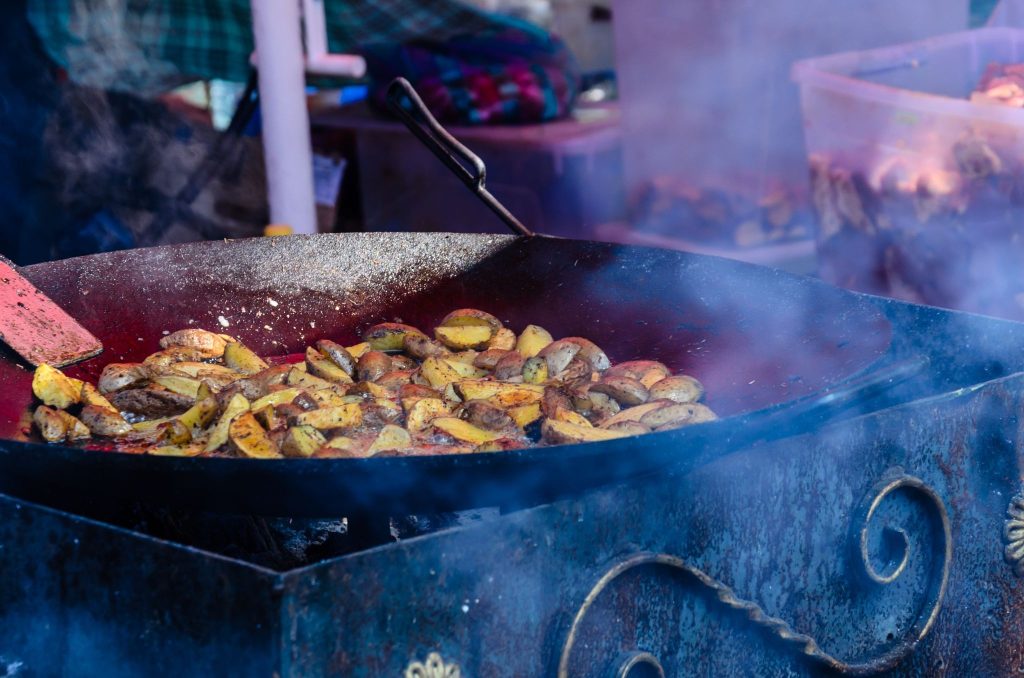
You smell it before you see it. That is the thing nobody tells you about arriving at a truly great food festival. The entrance is still a hundred meters away. The crowd ahead of you is a moving river of people with lanyards and tote bags and expressions of barely contained anticipation. And the air is already doing something extraordinary. The smoke from a wood-fired grill somewhere to the left. The sweetness of something caramelized drifting from the right. The specific warm, spiced complexity that only comes from a dozen different cuisines cooking simultaneously in the same open air. Your appetite activates before your brain has fully registered what is happening. And then you step through the entrance and the full sensory reality of it arrives all at once. The sound of live music layered over a crowd that is genuinely, collectively happy. The visual abundance of color from flags, from produce piled in architectural arrangements, from the clothing of vendors who have traveled from their home regions to share food that carries the specific identity of a place and a culture and a tradition. The must-visit food festivals of the world offer an experience that no restaurant, no food television program and no cooking class can replicate. They are the full immersion in food culture that every serious food lover deserves to experience at least once and most people who experience once return to every year.
What Makes a Food Festival Truly Worth Traveling For
The Difference Between a Great Food Event and a Well-Marketed Disappointment
The global food festival calendar has expanded dramatically over the past two decades and this expansion has produced both genuine culinary events of extraordinary quality and a significant number of festivals whose marketing promises substantially exceed their actual delivery. Understanding what separates the must-visit food festivals that earn their reputations year after year from the disappointing experiences that fail to justify the travel investment is the practical knowledge that food festival planning requires. The most reliable indicator of genuine festival quality is the authenticity and the depth of the food culture it celebrates rather than the scale of its production or the celebrity names attached to its programming. Festivals that emerge from genuine regional food traditions, that feature the producers, farmers and artisans who create the food culture being celebrated alongside the chefs who interpret it and that create genuine access to both the food itself and the knowledge behind it consistently deliver experiences that meet and exceed the expectations of serious food travelers.
Europe’s Most Extraordinary Annual Food Festivals
La Tomatina and the Festivals That Celebrate Regional Food Identity
Europe’s food festival landscape is among the richest in the world because it reflects the extraordinary diversity of regional food cultures that centuries of distinct agricultural tradition, culinary history and cultural identity have produced across a continent whose food geography changes dramatically every few hundred kilometers. La Tomatina in Buñol, Spain, which takes place on the last Wednesday of August each year and involves the collective throwing of overripe tomatoes among tens of thousands of participants in the streets of this small Valencian town, is perhaps the most internationally recognizable European food festival and one that illustrates both the celebratory exuberance and the deep regional identity that the best European food festivals embody. The event grew from a spontaneous street altercation in 1945 that involved tomatoes and became an annual tradition whose cultural meaning far exceeds its chaotic surface appearance as the expression of a specifically Valencian relationship between community, celebration and the agricultural abundance of the region’s tomato harvest. The Truffle Festival in Alba, Italy, which takes place across October and November in the Piedmontese town that serves as the center of the white truffle trade, represents the opposite end of the European food festival spectrum and one of the most genuinely unmissable must-visit food festivals for serious food travelers.
Taste of London and the World-Class Urban Food Festival Model
Taste of London, which takes place each June in Regent’s Park and has established itself as the model for the world-class urban food festival format that cities across Europe and beyond have subsequently attempted to replicate, represents a different but equally compelling category of must-visit food festival. Where regional food festivals celebrate a specific culinary tradition rooted in a particular place and its agricultural history, Taste of London celebrates the extraordinary culinary diversity and the concentration of cooking talent that a world city of London’s scale and international character produces. The festival provides access to dishes from the most acclaimed restaurants in one of the world’s most competitive and most diverse dining cities in a format that allows festival visitors to sample across a range of restaurants in a single afternoon that would require months of reservation-making and thousands of pounds of dining expenditure to replicate through normal restaurant visits.
North America’s Food Festival Calendar That Demands Attention
The New Orleans Jazz and Heritage Festival and Its Food Legacy
The New Orleans Jazz and Heritage Festival, which takes place across two weekends in late April and early May each year at the Fair Grounds Race Course, is the must-visit food festival that most completely embodies the principle that the greatest food events are inseparable from the culture that produced the food being celebrated. New Orleans has one of the most distinctive and most deeply rooted food cultures in North America, a cuisine that reflects the specific intersection of French, Spanish, African, Native American and Caribbean culinary traditions that the city’s history has produced and that has no genuine equivalent anywhere else in the world. The food available at Jazz Fest, as it is universally known, is not festival food in the sense of simplified or scaled-up versions of restaurant dishes. It is the specific food of New Orleans prepared by the specific vendors, families and community organizations that have been feeding festival visitors for decades with recipes that reflect generations of transmission and refinement.
Pebble Beach Food and Wine and the Premium Festival Experience
Pebble Beach Food and Wine, which takes place each April along the California coast at one of the most visually spectacular settings available to any food festival in the world, represents the premium end of the North American food festival market and one of the must-visit food festivals for wine and fine dining enthusiasts whose interests extend beyond regional food culture to the intersection of exceptional wine, world-class cooking and genuinely extraordinary natural setting.
Asia’s Food Festivals That Redefine What a Culinary Event Can Be
How Asian Food Festivals Reflect the World’s Most Diverse Culinary Landscape
Asia’s food festival landscape reflects the continent’s extraordinary culinary diversity, its deep food cultural traditions and the specific role that food plays in the social, religious and community life of Asian cultures in ways that produce food events of a character and an intensity that differs fundamentally from the food festival model familiar to Western food travelers. The World Street Food Congress, which rotates between Asian cities including Singapore, Manila and Penang, is among the most intellectually serious must-visit food festivals in the world because it approaches street food not as a category of cheap casual eating but as the most authentic and the most culturally honest expression of the culinary traditions of the regions that produce it.
How to Plan a Food Festival Trip That Actually Delivers
The Practical Intelligence That Separates Great Festival Experiences From Disappointing Ones
Planning a food festival trip with the specific intention of extracting the maximum experiential value from the event requires a different travel planning approach from the standard sightseeing trip because the festival itself is the destination and the decisions made in advance of arrival determine the quality of the experience more directly than they do in most other travel contexts. Research the festival’s programming structure before purchasing tickets because the most rewarding food festival experiences typically occur in the sessions and the events within the broader festival that provide the deepest access to the food culture being celebrated rather than in the general admission areas where the festival experience is most diluted.
Conclusion
The must-visit food festivals of the world are among the most rewarding travel experiences available to anyone who understands that food is not simply sustenance but the most intimate and most revealing expression of the cultures that produce it. They offer the specific experience of being present in a place where food is being celebrated with the full force of regional pride, communal energy and culinary creativity that only a great festival can generate. The smell hits you before you arrive. The sound envelops you as you enter. And the taste of something genuinely extraordinary, prepared by someone who has devoted their life to its perfection, is the memory that you carry home and that brings you back the following year. Add at least one great food festival to your annual travel calendar. Your appetite will thank you. Your memory will treasure it.