

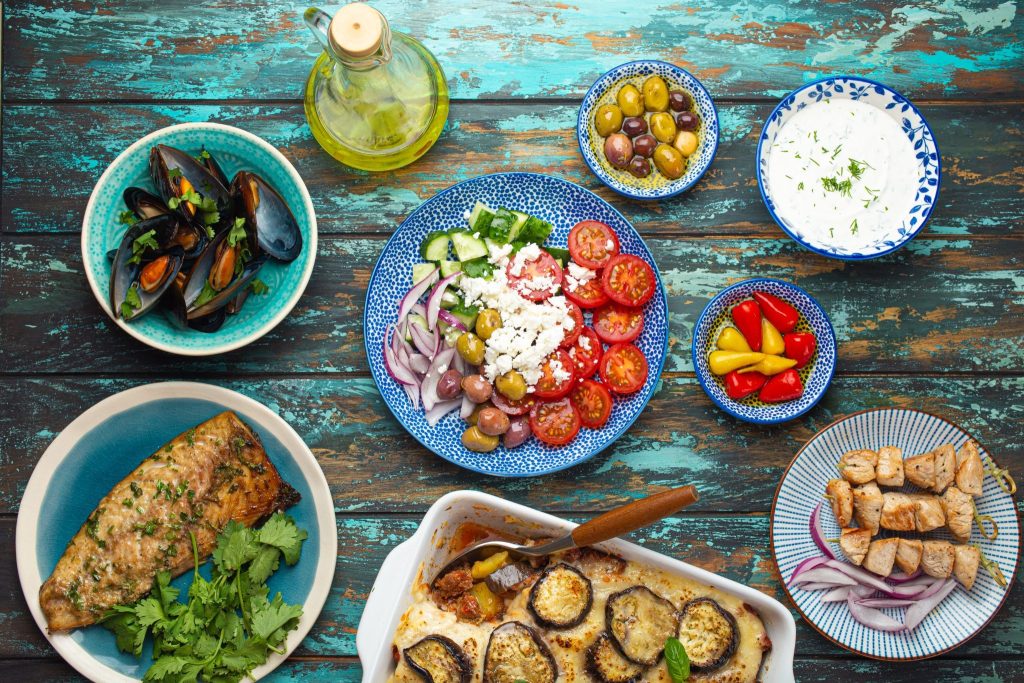
Mediterranean cuisine is a celebration of diverse flavors, vibrant ingredients, and rich traditions that vary significantly across the region. Encompassing the culinary practices of countries like Greece, Italy, and Spain, Mediterranean regional cuisines offer a unique gastronomic experience shaped by history, geography, and culture. In this exploration, we will dive deep into the distinct culinary identities of these nations, highlighting what makes each one a unique expression of Mediterranean heritage.
A Brief Overview of Mediterranean Culinary Heritage
The Mediterranean basin has long been a crossroads of civilizations. From ancient Greeks and Romans to the Moors and Byzantines, various cultures have influenced Mediterranean cuisine. This historical melting pot has led to a rich tapestry of culinary traditions that celebrate the land’s bounty and the sea’s gifts. The diverse climates of the Mediterranean also play a crucial role in shaping its food.
Historical Influences on Mediterranean Cuisine
Culinary practices in the Mediterranean have evolved over centuries, influenced by trade, migration, and conquest. The spice trade brought exotic flavors from far-off lands, while local ingredients formed the backbone of traditional dishes. Ancient Greeks valued the concept of “philotimo,” which emphasizes hospitality and sharing food, laying the foundation for communal dining experiences. The Romans further refined culinary techniques, creating a legacy of recipes that persist today.
The Role of Geography and Climate
Geography and climate play a pivotal role in determining the ingredients and cooking methods used in Mediterranean cuisine. Coastal regions, such as Greece and Spain, boast an abundance of seafood, while inland areas, like Italy, focus on hearty grains, meats, and dairy products. The Mediterranean climate, characterized by hot, dry summers and mild, wet winters, allows for year-round cultivation of olives, grapes, and citrus fruits, which are staples in the diets of these countries.
Greek Cuisine: Flavors of Tradition
Greek cuisine is a delightful fusion of fresh ingredients, aromatic herbs, and time-honored culinary techniques. Its dishes reflect a deep connection to the land and sea, celebrating the simplicity of flavors while honoring the complexity of tradition.
Key Ingredients in Greek Cooking
The foundation of Greek cooking is built on high-quality ingredients. Olive oil, often referred to as “liquid gold,” is a cornerstone of Greek cuisine, used in everything from dressings to marinades. Fresh vegetables, such as tomatoes, cucumbers, and bell peppers, are staples, often found in salads and meze platters. Herbs like oregano, dill, and mint infuse dishes with bold flavors, while grains such as bulgur and rice serve as hearty accompaniments.
Iconic Dishes and Their Significance
Greek cuisine boasts a variety of iconic dishes, each with its own story and significance. Moussaka, a layered casserole of eggplant, ground meat, and béchamel sauce, is a celebration of comfort and tradition. Souvlaki, skewered and grilled meat, symbolizes the Greek passion for outdoor cooking and communal gatherings. Tzatziki, a yogurt and cucumber dip, exemplifies the importance of freshness and simplicity in Greek cooking.
The Role of Olive Oil and Fresh Herbs
Olive oil is more than just a cooking ingredient in Greece; it is a symbol of culture and tradition. Drizzled over salads, used in marinades, or enjoyed with bread, it enhances the flavor of almost every dish. Fresh herbs are equally important, providing depth and character. They are often used generously, making Greek cuisine vibrant and aromatic.
Italian Cuisine: Regional Diversity
Italian cuisine is renowned for its regional diversity, where every area boasts its own specialties and cooking styles.
Northern vs. Southern Italian Flavors
Northern Italian cuisine is characterized by its use of butter, cream, and hearty grains. Risotto, a creamy rice dish, is a staple in regions like Lombardy, while polenta, made from cornmeal, is popular in the Veneto. In contrast, Southern Italian cuisine embraces olive oil, tomatoes, and fresh vegetables. Dishes like pasta al pomodoro and Caprese salad highlight the region’s focus on fresh, vibrant flavors.
Essential Ingredients in Italian Cooking
At the heart of Italian cooking lies a commitment to quality ingredients. Fresh produce, aromatic herbs, and artisanal cheeses are essential components of many dishes. Tomatoes, basil, and garlic are fundamental to Italian cuisine, often forming the base for sauces and marinades. Pasta, made from durum wheat, is celebrated in countless forms, from spaghetti to gnocchi. Additionally, regional cheeses like Parmigiano-Reggiano and mozzarella add richness and depth to many dishes.
Celebrated Regional Dishes and Their Origins
Italian cuisine is a treasure trove of regional dishes, each with its own history and cultural significance. In Bologna, the famous ragù alla Bolognese showcases the region’s love for rich meat sauces served with tagliatelle. In Naples, the birthplace of pizza, traditional margherita pizza is a symbol of culinary pride, featuring a thin crust topped with fresh tomatoes, mozzarella, and basil. Sicilian cuisine, influenced by Arab flavors, boasts dishes like caponata and arancini, reflecting the island’s diverse history.
Spanish Cuisine: A Tapestry of Influences
Spanish cuisine is a vibrant tapestry woven from diverse regional influences, showcasing the country’s rich culinary heritage. With a focus on communal dining and bold flavors, Spanish food captures the heart and soul of its people.
The Importance of Tapas in Spanish Culture
Tapas, small plates served for sharing, are a hallmark of Spanish dining culture. They foster social interaction and encourage a relaxed, communal atmosphere. From olives and cured meats to patatas bravas and chorizo, tapas offer a delightful variety of flavors and textures.
Key Ingredients in Spanish Dishes
Spanish cuisine is characterized by its use of fresh, high-quality ingredients. Olive oil, garlic, and saffron are staples in many dishes, imbuing them with distinct flavors. Seafood plays a significant role, particularly in coastal regions, where fish and shellfish are abundant. The use of spices, such as paprika and cumin, adds warmth and depth to dishes, while fresh vegetables like peppers, tomatoes, and onions provide vibrant colors and essential nutrients.
Regional Variations: From Paella to Pintxos
Spain’s diverse regions each contribute unique culinary traditions. In Valencia, paella reigns supreme, a rice dish infused with saffron and loaded with seafood or meat. In the Basque Country, pintxos, small snacks served on skewers or bread, are a beloved way to enjoy local flavors. Each region’s specialties reflect its geography, history, and cultural influences, making Spanish cuisine a rich and varied experience.
Comparative Analysis of Mediterranean Regional Cuisines
When we compare Mediterranean regional cuisines, we can appreciate both their similarities and their differences. Each cuisine offers a unique lens through which to view the Mediterranean diet, contributing to a broader understanding of how geography, culture, and history shape our culinary experiences.
Similarities and Differences in Ingredients
While Greek, Italian, and Spanish cuisines share common ingredients such as olive oil, fresh vegetables, and seafood, their preparation and flavor profiles differ significantly. Greek dishes often emphasize simplicity and freshness, while Italian cuisine celebrates rich textures and complex sauces. Spanish cuisine leans heavily on communal dining and bold flavors, showcasing the importance of sharing food with others.
Cooking Techniques Across the Regions
Cooking techniques also vary across Mediterranean cuisines. Greek cuisine often focuses on grilling and baking, showcasing the natural flavors of ingredients. Italian cooking embraces a wide range of techniques, from slow cooking to sautéing, allowing for depth and complexity in dishes. Spanish cuisine often incorporates frying and braising, drawing out rich flavors and textures.
The Influence of Mediterranean Cuisine on Global Gastronomy
The influence of Mediterranean cuisine extends far beyond its borders, shaping culinary practices and trends worldwide. As people become more health-conscious and seek flavorful, fresh ingredients, the Mediterranean diet has gained popularity.
Mediterranean Diet and Its Health Benefits
The Mediterranean diet, characterized by its emphasis on whole foods, healthy fats, and plenty of fruits and vegetables, is celebrated for its numerous health benefits. Studies have shown that this diet can reduce the risk of heart disease, promote longevity, and enhance overall well-being. The focus on fresh, seasonal ingredients aligns with modern health trends, making Mediterranean cuisine increasingly relevant in today’s culinary landscape.
Popularity of Mediterranean Dishes Worldwide
Mediterranean dishes have transcended their regional origins, finding a place in kitchens and restaurants around the globe. From Greek salads and Italian pastas to Spanish paellas, these dishes have become staples in many cultures. The accessibility of Mediterranean ingredients, combined with the emphasis on fresh and flavorful cooking, has endeared these cuisines to food lovers everywhere.
FAQs
What defines Mediterranean cuisine?
Mediterranean cuisine is characterized by the use of fresh ingredients, healthy fats, and diverse cooking techniques, reflecting the culinary traditions of countries bordering the Mediterranean Sea.
How does Greek cuisine differ from Italian and Spanish cuisines?
Greek cuisine emphasizes simplicity and freshness, while Italian cuisine focuses on rich textures and complex sauces. Spanish cuisine is centered around communal dining and bold flavors, showcasing the diversity of Mediterranean culinary traditions.
What are some staple ingredients in Mediterranean cooking?
Common ingredients in Mediterranean cooking include olive oil, fresh vegetables, seafood, grains, and aromatic herbs. These ingredients contribute to the vibrant flavors and health benefits associated with the Mediterranean diet.