
In the world of coffee, the journey from bean to cup is an intricate dance of passion, precision, and sustainability. Specialty coffee is not just about the rich aroma and robust flavors; it encompasses a commitment to quality and ethical sourcing. For specialty coffee cafes, understanding how to source their beans is vital to delivering an exceptional experience to their customers. This blog will explore the multifaceted process of specialty coffee bean sourcing, delving into quality standards, sourcing methods, sustainability practices, and the future of this beloved beverage.
What Defines Specialty Coffee?
Specialty coffee is a term that signifies a level of quality that goes beyond the ordinary. It refers to coffee beans that receive a score of 80 points or higher on a 100-point scale, as determined by professional tasters known as cuppers. This classification stems from the rigorous standards upheld by the Specialty Coffee Association, which emphasizes flavor, aroma, and overall quality.
The Specialty Coffee Association and Its Standards
The Specialty Coffee Association (SCA) plays a pivotal role in establishing and maintaining the standards that define specialty coffee. Founded in 1982, the SCA sets guidelines for grading coffee, ensuring that both producers and consumers understand what constitutes high-quality coffee. Their rigorous scoring system evaluates factors such as acidity, body, sweetness, and aftertaste. This commitment to quality helps to elevate coffee as an artisanal product, much like fine wine.
The Importance of Quality in Coffee Production
Quality in coffee production begins at the source. Specialty coffee cafes recognize that the journey starts with the farmers who cultivate the beans. These farmers often employ meticulous methods to ensure their crops thrive, focusing on the right altitudes, climates, and harvesting techniques. This dedication to quality not only impacts the flavor profile of the coffee but also supports the livelihoods of the farmers involved. When cafes prioritize quality in sourcing, they foster a relationship that benefits everyone in the supply chain.
The Sourcing Process for Specialty Coffee Beans
The sourcing process for specialty coffee beans is complex and requires a deep understanding of both the coffee industry and the nuances of flavor profiles. Cafes must navigate various sourcing methods to ensure they are offering the best products to their customers.
Direct Trade vs. Fair Trade: What’s the Difference?
Two common terms in the coffee sourcing conversation are direct trade and fair trade. Direct trade involves cafes building direct relationships with coffee farmers, cutting out intermediaries and allowing for better profit margins for the producers. This model fosters transparency and accountability, ensuring that farmers receive fair compensation for their high-quality beans.
In contrast, fair trade focuses on establishing minimum price standards to ensure farmers receive a livable wage. While fair trade certification promotes ethical practices, it can sometimes lack the personal connection that direct trade provides. For specialty coffee cafes, choosing between these methods often involves considering their values and the impact they wish to have on the coffee community.
Building Relationships with Coffee Farmers
Developing strong relationships with coffee farmers is crucial for specialty coffee cafes. By cultivating direct connections, cafes gain insights into the cultivation practices and challenges faced by farmers. These relationships foster trust and collaboration, which can lead to improved quality and sustainable practices.
Many cafes take the time to visit coffee farms, engaging with farmers and understanding their methods. This personal touch not only strengthens the bond between the cafe and the farmer but also allows for a deeper appreciation of the beans that make it to the café’s menu. This relationship-building is essential in a world where transparency and ethical sourcing are increasingly valued by consumers.
Factors Influencing Coffee Bean Sourcing
Several factors influence how specialty coffee cafes source their beans, including climate, geography, and harvesting techniques. Understanding these elements helps cafes make informed decisions that impact the final cup of coffee served to customers.
Climate and Geography
The climate and geography of coffee-growing regions significantly affect the flavor profiles of the beans. Ideal coffee-growing conditions typically include specific altitudes, temperatures, and rainfall patterns. Regions such as Ethiopia, Colombia, and Guatemala are renowned for their unique coffee flavors, shaped by their geographic characteristics.
Harvesting Techniques and Their Impact on Flavor
Harvesting techniques also play a crucial role in determining the quality of coffee beans. Specialty coffee is typically harvested either by hand or mechanically. Handpicking allows for selective harvesting, ensuring that only ripe cherries are collected. This method leads to higher quality beans and a more complex flavor profile.
The Role of Coffee Importers and Roasters
Coffee importers and roasters play a crucial role in the specialty coffee supply chain, acting as intermediaries between farmers and cafes. Their expertise and knowledge can significantly influence the quality and flavor of the coffee served in cafes.
Selecting Quality Beans for Local Cafés
Importers are responsible for sourcing coffee beans from various regions and ensuring that they meet the quality standards set by specialty coffee cafes. They often taste and evaluate beans before importing them, selecting those that align with the flavor profiles desired by their clients. This selection process is essential, as it directly impacts the quality of the coffee served in local cafes.
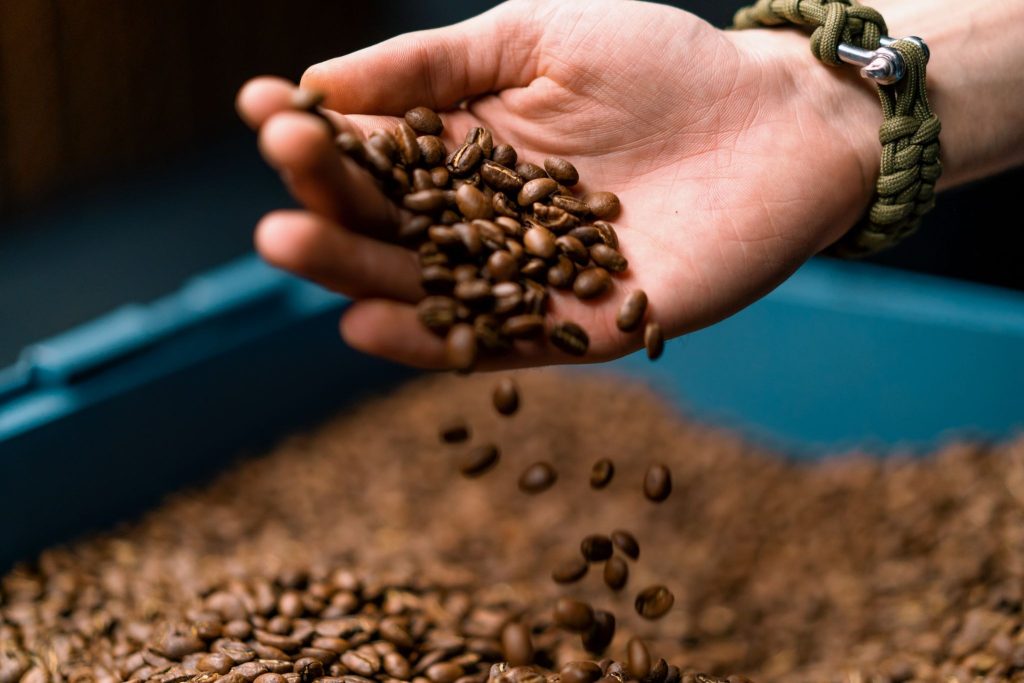
Roasters also play a vital role in the sourcing process. They are responsible for transforming green coffee beans into the roasted product that consumers enjoy. The roasting process requires skill and knowledge, as different beans require different roasting profiles to bring out their best flavors. Specialty coffee cafes often collaborate closely with roasters to ensure the beans are roasted to perfection, enhancing the overall coffee experience.
The Importance of Transparency in Sourcing
Transparency in sourcing practices is increasingly important in the specialty coffee industry. Consumers are becoming more aware of the origins of their coffee and the ethical implications of their choices. Specialty coffee cafes that prioritize transparency build trust with their customers, who appreciate knowing where their coffee comes from and how it was produced.
The Impact of Sustainability on Sourcing Practices
Sustainability has become a cornerstone of specialty coffee sourcing practices. As climate change and environmental concerns continue to grow, cafes are increasingly focused on sourcing beans in a way that protects the planet and supports local communities.
Eco-Friendly Farming Techniques
Many specialty coffee cafes prioritize sourcing beans from farms that employ eco-friendly farming techniques. This includes practices such as shade-grown coffee, organic farming, and water conservation methods. Shade-grown coffee is cultivated under a canopy of trees, which promotes biodiversity and reduces the need for chemical pesticides.
Supporting Local Communities Through Sourcing
Sourcing specialty coffee beans also provides an opportunity for cafes to support local communities. Many cafes choose to work with farms that invest in their communities, providing fair wages, education, and healthcare for workers. This ethical approach to sourcing not only benefits the farmers but also fosters a sense of community and shared responsibility.
Challenges Faced in Sourcing Specialty Coffee Beans
While the journey of sourcing specialty coffee beans is rewarding, it is not without its challenges. Cafes must navigate various obstacles that can impact the quality and availability of beans.
Economic and Political Factors
Economic and political factors can significantly influence the availability of specialty coffee beans. Fluctuations in coffee prices, trade agreements, and political instability in coffee-producing regions can all impact sourcing practices. For example, a sudden increase in coffee prices may force cafes to reconsider their sourcing strategies or seek alternative suppliers.
Quality Control and Consistency Issues
Maintaining consistent quality in specialty coffee sourcing can be challenging. Variations in climate, harvesting methods, and processing techniques can all influence the flavor and quality of the beans. Specialty coffee cafes must work closely with farmers and importers to ensure that quality control measures are in place.
The Future of Specialty Coffee Bean Sourcing
As the coffee industry evolves, so too do the practices surrounding specialty coffee bean sourcing. Cafes must remain adaptable and proactive in navigating the changing landscape of the coffee market.
Innovations in Sourcing Practices
Innovations in technology and sourcing practices are reshaping the specialty coffee industry. From blockchain technology that enhances transparency to mobile apps that facilitate direct trade, new tools are emerging to support ethical sourcing. These innovations empower both farmers and cafes, creating a more efficient and sustainable supply chain.
Trends in Consumer Preferences
Consumer preferences are also evolving, with an increasing demand for ethical and sustainable products. Specialty coffee cafes that prioritize transparency and sustainability in their sourcing practices will likely resonate with conscious consumers. By staying attuned to these trends, cafes can position themselves as leaders in the industry, attracting customers who value quality and ethics in their coffee choices.
FAQs
What is specialty coffee?
Specialty coffee refers to high-quality coffee beans that score 80 points or higher on a 100-point scale, focusing on flavor, aroma, and overall quality.
How do specialty coffee cafes source their beans?
They often use methods like direct trade and fair trade, building relationships with farmers to ensure quality and ethical practices.
What factors influence the flavor of coffee beans?
Climate, geography, and harvesting techniques all play a significant role in shaping the flavor profiles of coffee beans.