
Every exceptional cup of coffee begins long before water meets the ground. The roasting of green coffee beans is where potential becomes flavor, where the raw agricultural product is transformed into the aromatic, complex beverage that billions of people rely on daily.
Understanding what happens during roasting and how skilled roasters approach their craft helps coffee drinkers appreciate both the complexity behind their cup and the expertise required to deliver it consistently.
The Role of a Coffee Roaster
The person who transforms green coffee beans into the roasted product you brew is a skilled craftsperson with deep knowledge of chemistry, sensory evaluation, and equipment operation. A dedicated coffee roaster manages every aspect of the roasting process, from sourcing and evaluating raw beans to developing roast profiles, conducting quality cuppings, and packaging finished coffee for maximum freshness.
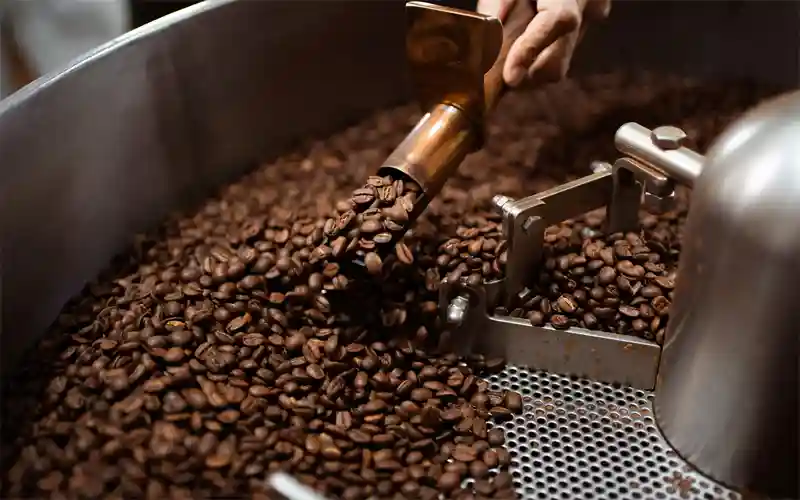
They work with drum roasters, fluid bed roasters, or hybrid systems that apply controlled heat to green beans over a carefully managed time-temperature curve.
What Happens Inside the Roaster
The transformation of green coffee during roasting involves a remarkable series of chemical reactions. As beans heat, they first dry out and begin to turn yellow, releasing grassy aromas. At around 160 degrees Celsius, the Maillard reaction begins, creating the brown color and increasingly complex aromas associated with roasted coffee.
As temperature rises further, caramelization adds sweetness and body. The first crack, an audible popping caused by the rapid expansion of internal steam and CO2, signals the transition into drinkable roast territory.
The Importance of Green Coffee Quality
Exceptional roasting cannot compensate for poor-quality raw material. The most skilled roasters invest significant time and resources in sourcing green coffee that meets high quality standards. They cup samples from multiple origins, farms, and harvest lots before making purchasing decisions, evaluating factors such as sweetness, acidity, body, and freedom from defects.
Building relationships with producers who share a commitment to quality at the farm and processing level is a common practice among specialty roasters, as direct communication allows issues to be identified and addressed from harvest through delivery.
Freshness and Storage After Roasting
Roasted coffee is a perishable product whose peak flavor window is relatively narrow. In the days immediately after roasting, carbon dioxide trapped within the beans continues to escape in a process called degassing.
Brewing too soon after roasting can result in uneven extraction as escaping gas disrupts the interaction between water and coffee grounds. After degassing is largely complete, typically between five and ten days for most coffees, the beans enter a window of optimal flavor that may last two to three weeks for whole beans stored properly.
Conclusion
Coffee roasting is a discipline that sits at the intersection of science and sensory craft, requiring technical knowledge, equipment skill, and a highly developed palate to practice well. The roasters who dedicate themselves to this work bring an extraordinary level of care and expertise to every batch they produce, with the ultimate goal of delivering a cup that is more flavorful, more nuanced, and more satisfying than anything available from less deliberate sources.