

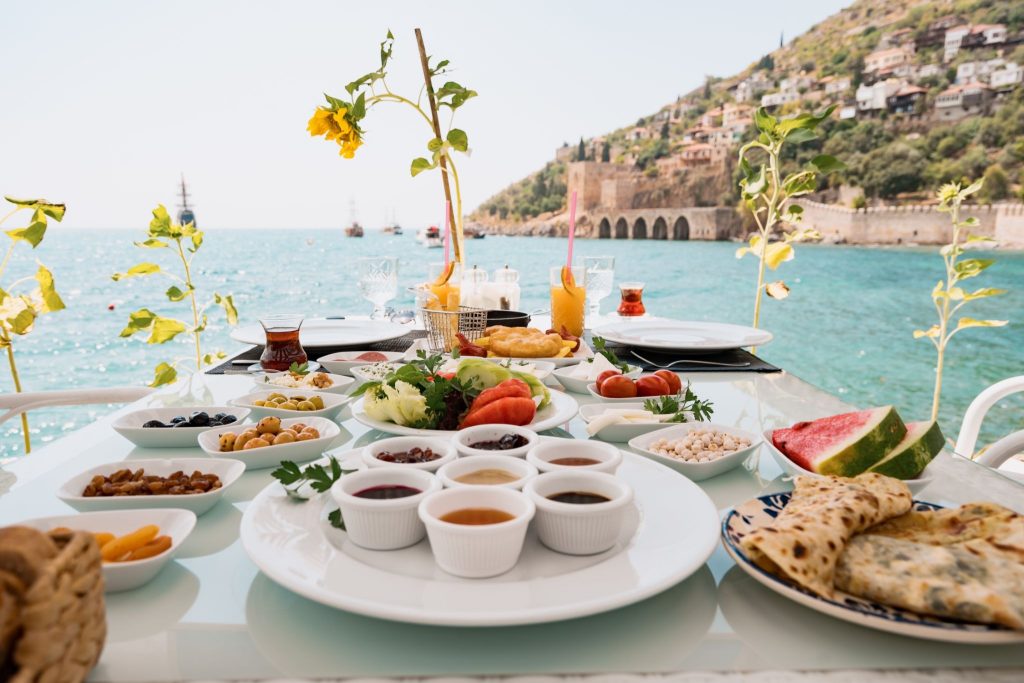
Food tells you more about a place than any guidebook ever could. The spices in a market, the way a family gathers around a shared dish, the pride a cook takes in a recipe passed down for generations, these are the moments that stay with you long after you’ve come home. The best culinary travel destinations don’t just feed you well; they pull you into the culture behind every bite.
What Makes a Destination a True Culinary Travel Hotspot?
Not every city with a famous dish qualifies. The real ones have depth. They have a food culture that runs through every layer of daily life, from the produce vendors who’ve held the same market stall for decades, to the chefs who trained abroad and came home to cook the food they grew up eating. A great culinary destination gives you access to that whole world, not just a table at a well-reviewed restaurant. The criteria that matter most are ingredient culture, dining variety across price points, culinary heritage that’s still alive and practiced, and genuine accessibility for curious visitors. The destinations in this guide check all of those boxes.
Europe’s Best Culinary Travel Destinations
San Sebastián, Spain
San Sebastián punches well above its weight. For a city of around 180,000 people, it holds more Michelin stars per square kilometer than almost anywhere else on earth. But what makes it genuinely special isn’t the fine dining alone, it’s the pintxos culture. Every evening, the bars of the Old Town line their counters with bite-sized snacks: anchovies draped over bread, bacalao croquettes, skewers of cured meat, and pickled peppers. You grab a plate, a glass of txakoli wine, and move from bar to bar. It’s social, affordable, and deeply rooted in Basque identity. La Bretxa market is worth a morning visit to see where the ingredients come from before you eat them.
Lyon, France
Lyon has been called the gastronomic capital of France, and the French don’t hand out that title lightly. The city’s bouchons, small, unpretentious bistros serving traditional Lyonnaise cooking, are the heart of its food identity. Expect quenelles, andouillette, cervelle de canut, and wine poured freely. Paul Bocuse spent decades cooking here and left behind a food culture that future generations have built on rather than replaced. Les Halles de Lyon is an indoor market where you’ll find some of the finest charcuterie, cheese, and pastry in the country, all under one roof.
Bologna, Italy
Bologna is where ragù was born, and where it’s still made properly, slow-cooked, meaty, and served with fresh tagliatelle rather than spaghetti. The city has a reputation among Italians as La Grassa, meaning “the fat one,” which is an affectionate acknowledgment of how seriously it takes food. The Mercato delle Erbe is a working local market that hasn’t been polished up for tourists, and it’s a great place to grab lunch at one of the small counters inside. Bologna also has a strong food tour scene, with passionate local guides who can take you behind the scenes of a pasta-making workshop or a local salumeria.
Asia’s Must-Visit Culinary Travel Destinations
Tokyo, Japan
Tokyo holds more Michelin stars than any other city in the world, and yet some of its most memorable meals cost less than ten dollars. That range is what makes it one of the great culinary travel destinations for every kind of food lover. The ramen shops, the sushi counters, the izakayas that open at dusk and run until the early hours, every category of dining here is executed with near-obsessive attention to quality. The outer market at Tsukiji is still one of the best places on earth to eat sushi for breakfast, surrounded by traders and chefs who’ve been coming there for years.
Bangkok, Thailand
Thailand’s street food tradition was added to UNESCO’s intangible cultural heritage list, a recognition that the food cooked and sold on Bangkok’s footpaths isn’t just convenient, it’s culturally significant. A bowl of boat noodles, a plate of pad krapao, fresh mango with sticky rice from a roadside cart, these dishes represent generations of knowledge and craft. Bangkok is also one of the most budget-friendly culinary travel destinations in the world, where extraordinary food is accessible at almost any price point. The floating markets on the city’s outskirts add a visual layer to the experience that’s genuinely hard to match anywhere else.
Chengdu, China
Chengdu was designated a UNESCO Creative City of Gastronomy in 2010, and it earned that recognition through a cuisine that is genuinely unlike anything else. Sichuan cooking builds layers of flavor: the numbing heat of the peppercorn, the sharp bite of chili, the rich depth of fermented black bean paste. Hotpot is practically a religion here, with friends gathered around bubbling pots of spiced broth, cooking thinly sliced meat and vegetables at their own pace. Chengdu is a city where eating is a leisure activity, not just a necessity, and that attitude is contagious.
The Americas: Underrated Food Destinations Worth the Trip
Oaxaca, Mexico
Oaxaca has become a genuine food travel phenomenon, and the attention is deserved. The state is home to seven distinct mole sauces, each one a project in itself, some taking days to prepare with thirty or more ingredients. The local mezcal scene is thriving, with small-batch producers making spirits from wild agave varieties you won’t find anywhere else. Oaxaca’s food is rooted in indigenous tradition, and the growing interest in culinary travel here has brought real economic opportunity to communities that have been cooking this way for centuries.
Lima, Peru
Lima consistently ranks among the world’s top food cities, and the reason is straightforward: Peru’s geography provides an extraordinary range of ingredients. Coastal seafood, Andean grains and tubers, Amazonian fruits that most of the world has never tasted, the raw material here is exceptional. Ceviche in Lima is a masterclass in simplicity: fresh fish, lime, red onion, and ají amarillo chili. The city also has a thriving Nikkei cuisine scene, a fusion of Japanese and Peruvian cooking that emerged from the Japanese immigrant community over a century ago. Restaurants like Central have brought global attention to Lima, but the food scene extends far beyond the fine dining tier.
Middle East and Africa: Emerging Destinations for Food Travelers
Marrakech is one of the most sensory-rich places you can visit with food in mind. The spice souks alone are worth the trip, pyramids of cumin, saffron, and ras el hanout stacked in the dim light of the medina. Istanbul sits at the crossroads of European and Asian cooking traditions and has been absorbing and combining them for centuries. Mezes, grilled fish along the Bosphorus, fresh simit from a street cart at sunrise, eating in Istanbul feels like a history lesson with very good food. Cape Town rounds out this category with its braai culture, Cape Malay cuisine, and proximity to some of the finest wine-producing land in the world, making it one of the most well-rounded food destinations on the continent.
How to Plan Your Culinary Travel Experience
Choosing the Right Destination for Your Food Style
Think honestly about what kind of food experience you’re after before you book. If you love heat and spice, Chengdu and Bangkok will reward you far more than Lyon or Bologna. If you want to stretch a food budget as far as possible, Bangkok and Oaxaca offer outstanding value. If fine dining is the priority, Tokyo and San Sebastián are genuinely world-class. Dietary restrictions matter too; some culinary travel destinations are more flexible and varied than others, and it’s worth researching before you land.
Experiences to Book Before You Go
A few things are worth sorting out before you arrive. Restaurant reservations at popular spots, especially tasting menus, often fill weeks or months in advance. Cooking classes are a great way to take a piece of the destination home with you, and the best ones include a morning market visit before you cook in the afternoon. Food walking tours are underrated as a way to orient yourself quickly in a new city. A good local guide will take you to places you’d never find on your own.
Final Thoughts
You don’t need to overhaul your travel approach to become a food traveler. Start small, pick one market to visit, one cooking class to book, and one restaurant to save up for. The habit builds itself once you realize how much a meal can teach you about a place. The culinary travel destinations in this guide are a starting point, not a complete list. Every region of the world has its own food story waiting to be discovered by someone willing to sit down, eat slowly, and pay attention.